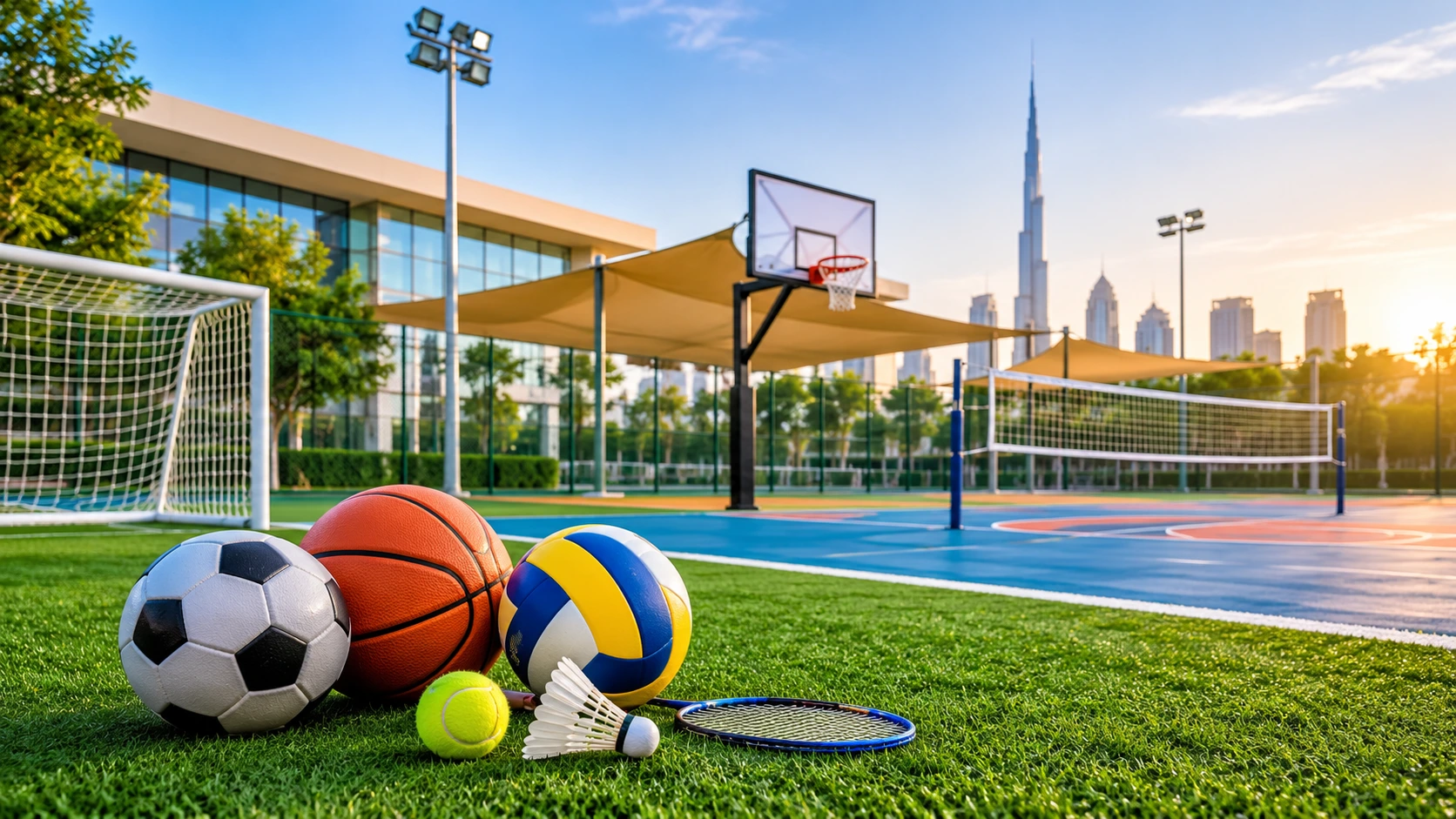

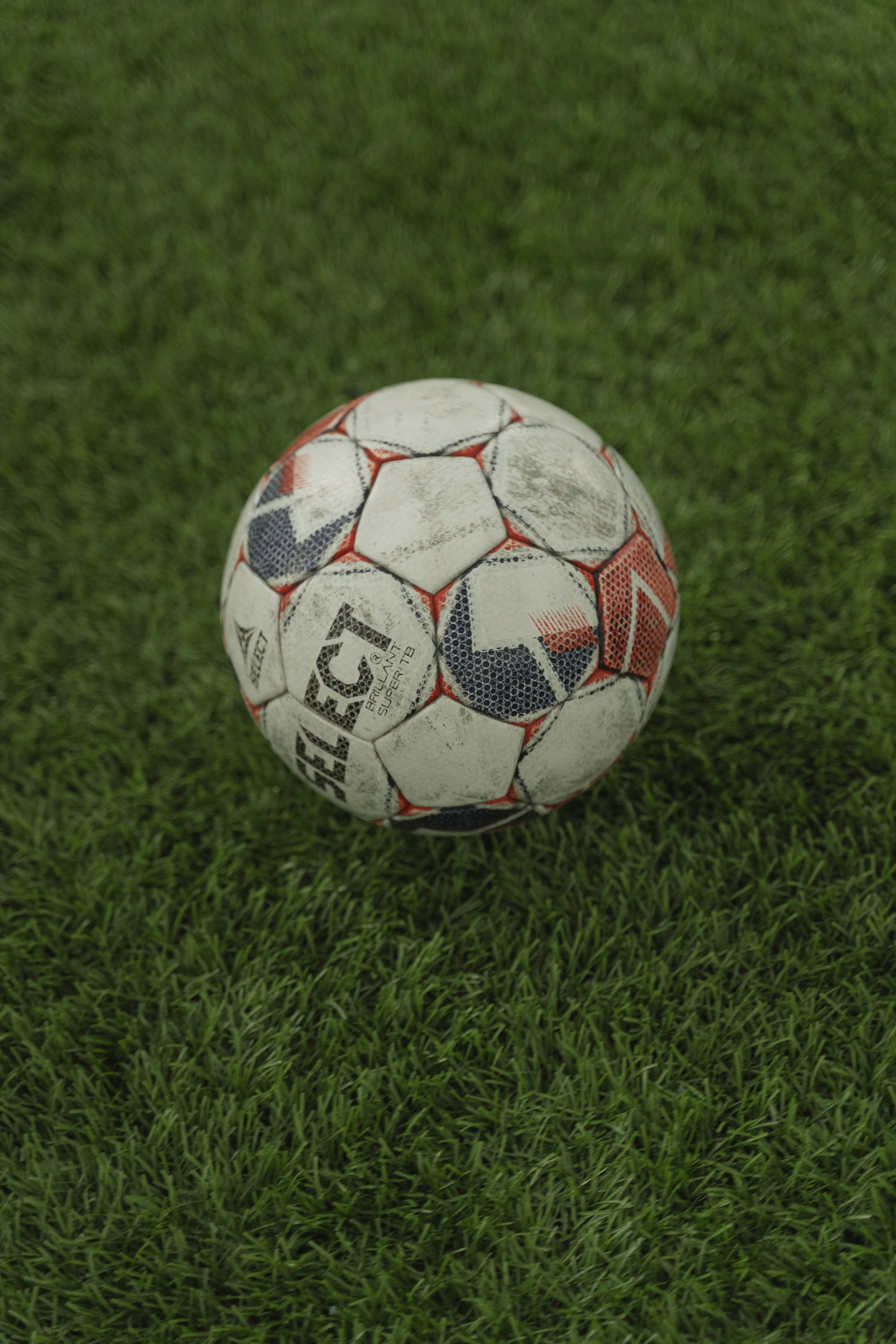
A football field may look perfect on opening day, with fresh green turf, clear markings and a smooth playing surface. But after months of intense matches, daily training and exposure to the UAE’s harsh sunlight, will it still perform the same way?
The difference between a field that lasts for years and one that needs frequent repairs often comes down to more than the quality of the grass. The turf material, base preparation, drainage, installation and maintenance all play an important role.
For schools, sports academies, clubs and community facilities, investing in a synthetic turf football field in UAE means choosing a surface that can handle regular play and local weather conditions. Understanding what affects its lifespan helps facility owners make better decisions and protect their investment.
What Determines the Lifespan of a Synthetic Turf Football Field?
Synthetic turf is designed to provide a consistent playing surface without the regular watering and mowing required by natural grass. However, not every artificial turf system offers the same durability.
Several factors influence how long a football field remains safe, attractive and suitable for play.
1. Quality of the Turf Fibres
The turf fibres experience constant friction from players running, turning, sliding and kicking the ball. Lower-quality fibres may flatten, lose their shape or show signs of wear more quickly.
When selecting an artificial turf football field in UAE, consider fibre strength, resilience, UV resistance and suitability for football. The turf should be designed to withstand repeated use while maintaining a consistent playing surface.
2. Proper Base Preparation
A stable base supports the turf and helps maintain a level playing surface. Proper ground preparation is therefore one of the most important stages of artificial turf sports field installation in UAE.
Before installation begins, the site should be assessed for ground conditions, levels, compaction requirements and drainage needs. Addressing these factors early can help prevent avoidable problems after the field becomes operational.
3. Effective Drainage
A well-designed drainage system allows water to move away from the playing area and reduces the risk of waterlogging. The drainage design should suit the site conditions, sub-base and selected turf system.
For facility owners, drainage is not simply an installation detail. It is an important part of protecting the playing surface over time.
4. Resistance to Sunlight and Heat
When choosing an artificial turf solution in UAE, look for products designed for outdoor exposure, with appropriate UV resistance and materials suited to the expected temperature conditions.
It is also important to consider how frequently the field will be used and whether additional measures, such as suitable maintenance and surface-temperature management, are needed.
5. Correct Infill and Installation
Depending on the selected system, artificial turf may use infill materials to support the fibres and influence traction, cushioning and ball movement.
The type and quantity of infill should match the turf manufacturer's specifications and the intended use of the field. Incorrect infill levels, poorly secured seams or uneven installation can affect playing quality and increase wear.
How Can Regular Maintenance Extend Turf Life?
Artificial turf requires less routine care than natural grass, but it is not maintenance-free. Regular inspections and cleaning can help identify minor issues before they become expensive repairs.
A practical maintenance routine should include:
● Remove debris: Clear leaves, rubbish and other materials that can affect the playing surface.
● Inspect seams and edges: Check for loose joints, lifting edges or damaged areas.
● Maintain infill levels: Where applicable, check and redistribute infill according to the manufacturer's guidance.
● Brush the turf: Use suitable equipment to help keep fibres upright and maintain a more consistent surface.
● Check drainage: Ensure outlets remain clear and investigate areas where water collects.
● Review high-use zones: Inspect goal areas, penalty spots and training zones for signs of concentrated wear.
How to Choose the Right Artificial Turf for Your Football Field
Before investing in a new field, consider these essential questions:
1. What is the expected usage?
A school training ground and a busy football academy may require different specifications.
2. Is the turf suitable for UAE conditions?
Check its suitability for sunlight, heat and outdoor exposure.
3. Is the base and drainage design appropriate?
These elements support stability and water management.
4. What maintenance will be required?
Understand the routine care, equipment and long-term costs.
5. Does the supplier provide installation support?
A complete solution should consider the site, turf system and installation requirements together.
Comparing these factors helps facility owners select a surface based on long-term performance rather than appearance or upfront cost alone.
Build a Football Field That Lasts with SmartField
A durable football field starts with the right decisions. Quality turf fibres, a properly prepared base, effective drainage, professional installation and regular maintenance all contribute to the long-term performance of an artificial sports surface.
For schools, clubs, academies and sports facility developers, SmartField provides sports facility solutions designed around the needs of modern playing environments. If you are planning a synthetic turf football field in UAE, choosing the right system and installation approach can help you create a field that remains functional, reliable and ready for regular play.
Contact SmartField to discuss your football field requirements and find an artificial turf solution suited to your facility, usage needs and site conditions.